







Ghana’s Next Economic Boom Hinges on Its Youth, Hon. Sherif Ghali Warns
 Human Rights Reporters
2 min read
Human Rights Reporters
2 min read
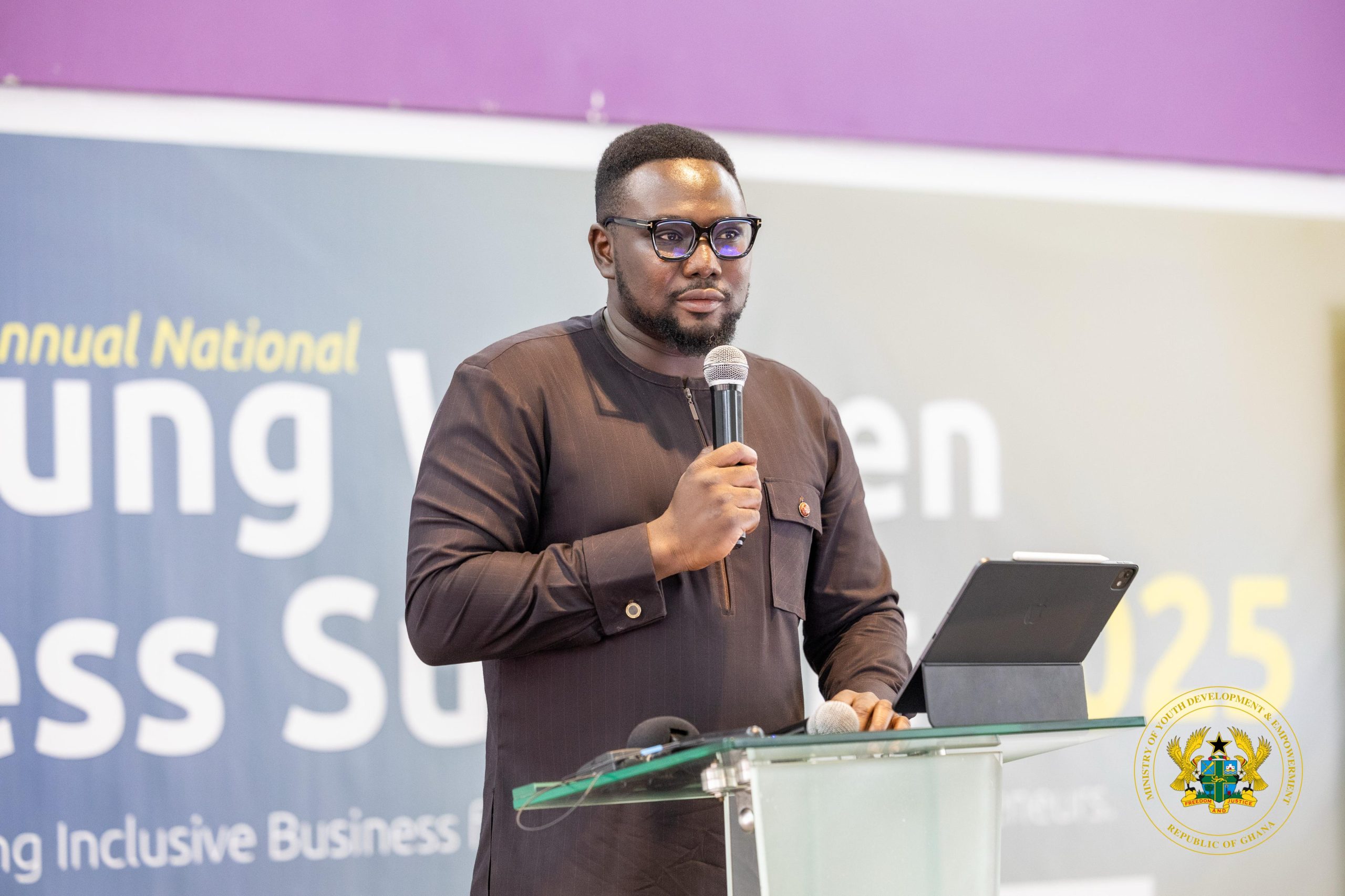
Ghana’s economy is showing signs of recovery: inflation is easing, the cedi is regaining strength, and investors are cautiously optimistic.
But beneath these encouraging numbers lies a pressing challenge that could determine the country’s long-term stability: the persistent economic exclusion of its youth.
According to Sherif Ghali, President of the Ghana Youth Federation, the country risks undermining its own recovery if young people remain unemployed and underutilized.
“Ghana is at a crossroads,” Ghali says.
“We have achieved macroeconomic stability, but we cannot call our recovery complete if more than half of our population—our youth—remain idle and without opportunity. Ignoring this reality is a risk not only to growth but to national stability.”
With over 50% of Ghanaians under the age of 35, youth unemployment is not just a social concern—it is a strategic challenge with economic, political, and security dimensions. Every year that young people are unable to access meaningful work is a year of lost innovation, productivity, and national competitiveness.
“Investing in young people is not a cost; it is an investment in Ghana’s future,” Ghali emphasizes. “Every cedi directed toward skills development, entrepreneurship, and employment programs returns multiple dividends for the nation.”
Ghali outlines four key interventions that could turn this challenge into an opportunity: restoring fiscal allocations to youth agencies, ensuring timely and predictable funding, implementing outcome-based accountability frameworks, and strengthening partnerships with youth organizations through formal advisory platforms.
“The true measure of Ghana’s progress,” Ghali concludes, “will be seen in whether young Ghanaians can find dignity, opportunity, and purpose within it. The country’s economic recovery will only be sustainable if it includes the generation that must sustain it.”
By prioritizing youth inclusion, Ghana has the chance to transform its demographic advantage into lasting stability, innovation, and prosperity, ensuring that its economic recovery is both real and resilient.
About The Author
