





Dr. Joseph Wemakor amplifies call for inclusive press freedom ahead of RightsCon 2026 Summit in Lusaka
 Human Rights Reporters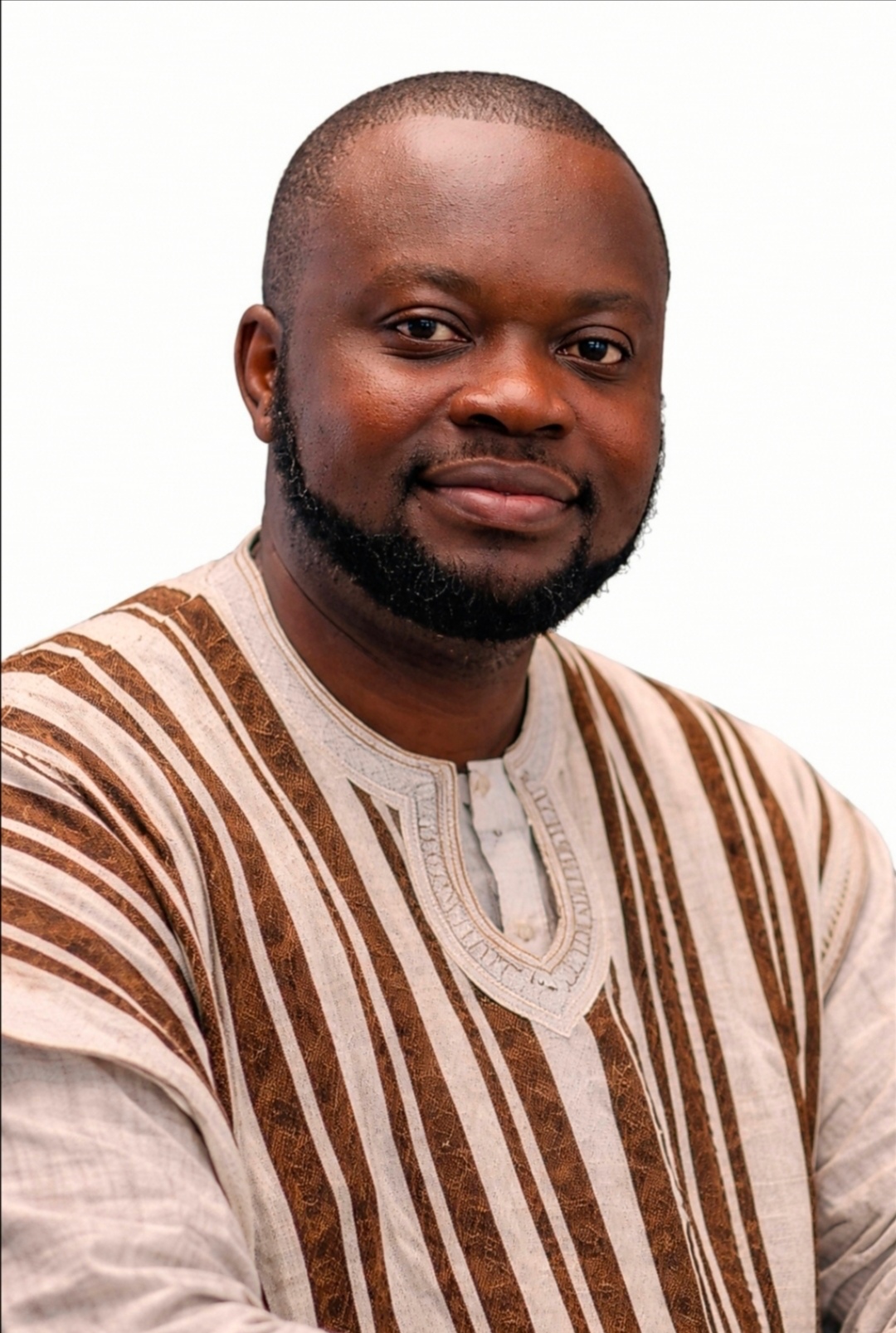
In many parts of Africa, the space for free expression is shrinking—but for persons with disabilities, the silence is even more profound.
As momentum builds toward a critical global conversation, Ghanaian human rights advocate, Dr. Joseph Kobla Wemakor, is raising urgent concerns about what he describes as a “double marginalization” crisis on the continent.
With just days to the highly anticipated RightsCon 2026 summit in Lusaka, Zambia, Dr. Wemakor—Executive Director of Human Rights Reporters Ghana (HRRG)—has intensified advocacy efforts through international media engagement.
In a recent interview on Lagos-based 95.7 FM Radio Now’s Africa In Perspective Programme, he spotlighted the significance of an upcoming high-level dialogue session his organization will host.
The session, titled “Silenced Twice: Press Freedom and Disability Voices Under Threat in Africa,” is scheduled for May 6, 2026, at the Mulungushi International Conference Centre in Lusaka.
Speaking with host Abiodun Adelowore, Dr. Wemakor explained that the dialogue forms part of RightsCon—the world’s leading summit on digital rights convened by Access Now—and will run alongside the World Press Freedom Day Global Conference organized by UNESCO in collaboration with the Zambian government.
“This is the 14th edition of RightsCon, and it is coming to Africa for the second time. For us at HRRG, it is a significant opportunity to contribute to global discourse after our session was selected from thousands of submissions,” he noted.
At the heart of the dialogue is a pressing issue: the intersection between press freedom, disability inclusion, and shrinking civic space across Africa.
According to Dr. Wemakor, persons with disabilities are disproportionately affected when media freedoms are threatened.
“The media plays a crucial role in society. Without it, truth will elude us,” he stated. “When press freedom is eroded, millions of persons with disabilities lose one of the most powerful tools for accountability.
Their stories risk disappearing entirely.”
He emphasized that beyond general threats to journalism, persons with disabilities already face systemic barriers—ranging from stigma and discrimination to exclusion from public discourse—making their marginalization even more severe.
The upcoming dialogue will convene a diverse group of stakeholders, including journalists, lawyers, policymakers, civil society actors, disability rights advocates, environmental experts, and public health professionals.
Together, they are expected to explore practical strategies to strengthen inclusive media systems, safeguard freedom of expression, and expand equitable access to digital and civic spaces.
On the broader state of press freedom in Africa, Dr. Wemakor did not mince words.
He described the current environment as one that demands urgent, coordinated action from governments and institutions.
“Addressing the twin crisis of press freedom erosion and disability exclusion requires bold steps,” he said.
“Governments must strengthen protections for journalists, repeal laws that criminalize legitimate reporting, and ensure independent investigations into attacks against media professionals.”
He further called on media institutions to lead by example by embracing inclusivity—recruiting journalists with disabilities and making content accessible through captioning, sign language interpretation, and screen-reader compatibility.
Beyond the media, he urged civil society, policymakers, and international partners to work collectively to ensure that Africa’s digital transformation is grounded in human rights and accessibility.
He also advocated for the ratification of the African Disability Protocol as a critical step toward combating discrimination and promoting inclusion.
As the countdown to RightsCon 2026 continues, Dr. Wemakor’s message remains clear: safeguarding press freedom is not just about protecting journalists—it is about ensuring that no voice, especially those already marginalized, is left unheard.
Listen to part of the interview below:
About The Author
