




Ghana Youth Federation declares war on disunity as youth sector moves toward coordinated national power
 Human Rights Reporters
4 min read
Human Rights Reporters
4 min read

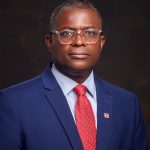
The President of the Ghana Youth Federation (GYF), Sherif Ghali, has called on Ghanaian youth to unite and overcome disunity, describing fragmentation as the greatest obstacle to youth empowerment and national influence.
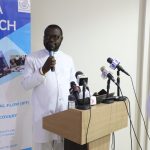
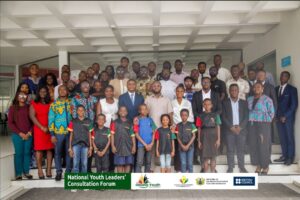
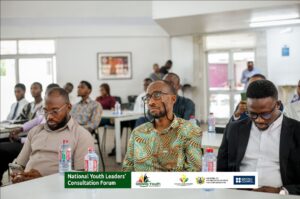
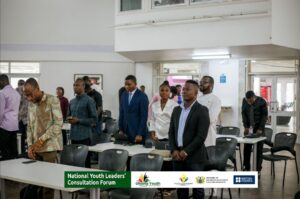
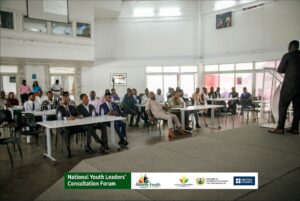
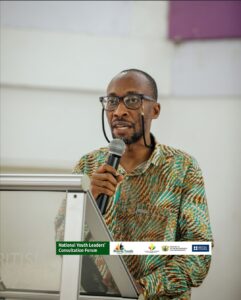
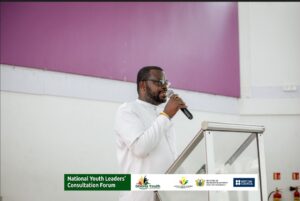
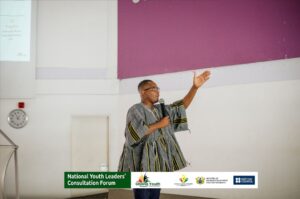
Speaking at the National Youth Leaders Forum on Thursday, December 4, 2025, Ghali emphasized that a coordinated youth movement is essential for meaningful engagement in governance and policy-making.
“The biggest enemy to the youth is disunity,” Ghali declared. “If we are united, you do not know the power we have.
The time for Ghanaian youth to rise — together — is now.” He assured participants that the federation would amplify the voices of all youth groups, safeguard ongoing initiatives, and create a platform for collaboration rather than competition.
Mr. Ali Ibraheem, National Coordinator of the Ghana Youth Federation, presented the National Strategic Action Plan (NSAP).
He explained that the plan was conceived during a strategic retreat shortly after the federation’s activation in September.
He stressed that the guiding principle is “Nothing for the youth without the youth,” and that input from all youth leaders was essential.
“We have already created a WhatsApp platform to share documents and gather feedback,” he said, inviting all leaders to actively participate in shaping the plan.
Ibraheem detailed the demographic context that shaped the strategy.
With about 73% of Ghana’s population under 35, the country possesses a strong demographic dividend, yet challenges such as escalating youth unemployment, limited formal registration of youth groups (4% registered), and low digital literacy (60% not digitally inclined) persist.
“These realities demand a strategic, inclusive approach that addresses representation, empowerment, policy advocacy, and civic participation,” he said.
He explained the four pillars of the NSAP: institutionalization, district mobilization, youth diplomacy, and flagship programs.
The creation of Technical Working Groups (TWGs), he noted, would allow youth leaders to contribute in thematic areas ranging from employment and empowerment to civic engagement and advocacy.
These groups would ensure alignment with both national policies and AU Agenda 2063.
“From now until the end of 2026, our goal is to mobilize youth across all 267 districts,” Ibraheem continued. “The interim executives cannot achieve this alone; your participation is crucial.”
He highlighted early successes, noting that leaders like Ben had already begun district-level mobilization.
The forum also addressed governance and leadership transition.
Ibraheem outlined that elections will commence at the district level, progressing to regional and national levels.
Strict adherence to the youth age bracket will be enforced, with automatic disqualification for anyone exceeding the limit.
He assured participants that the DRGs Charter, currently under validation, will shield elections from political interference, ensuring a fair and transparent process.
Ibraheem further detailed programming initiatives, including the Ghana Youth Index Report, which will document youth-led development activities nationwide.
“We want to ensure that every youth organization’s contribution is visible and recognized, from the Ghana Youth Coalition to Youth Without Borders,” he said.
He also highlighted the establishment of a functional secretariat, the ongoing development of a membership management platform, and the near-completion of the federation’s website to facilitate coordination and public engagement.
On funding, Ibraheem explained the multi-source model: government allocations, private sector contributions, and international partnerships. He noted ongoing discussions with UNFPA and other agencies.
The budget for the NSAP stands at 5.83 million, reflecting a careful balance between ambitious programming and fiscal responsibility.
Other key speakers added their perspectives. Mr. Osman Abdulai Ayariga, CEO of the National Youth Authority, praised the federation’s independent and unifying approach, stating, “Youth need a platform that is not politically biased, where all voices are heard, and collective power is harnessed.”
Mr. Casper Sunday Capoli, Director of Research at NEIP, reinforced this point, stressing that collaboration rather than fragmentation is essential to meet the entrepreneurial and developmental aspirations of youth.
“When youth work together, they can create impact far beyond what individual efforts can achieve,” he said.
Civil society representative also contributed. Dr. Joseph Kobla Wemakor, Convener of the Youth Sub-Platform of the Ghana Civil Society Platform on SDGs and Executive Director of Human Rights Reporters Ghana (HRRG), urged youth leaders to embrace transparency, digital literacy, and accountable leadership.
“We must turn policy into action and ensure that youth voices inform every decision that affects them,” he emphasized.
Similarly, Dr. Elom Hillary Otchi called for integrity and practical engagement, highlighting the need for monitoring and evaluation to track progress and impact.
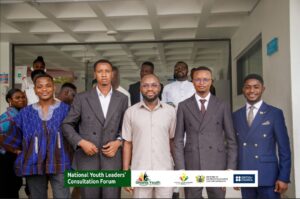
As the forum concluded, all speakers reinforced the call for unity and coordinated action.
The National Strategic Action Plan now moves to final validation, offering a roadmap for youth mobilization, empowerment, and influence at every level of governance.
The resounding message from President Sherif Ghali set the tone for the movement: “If we are united, the power of Ghanaian youth is unstoppable. Together, we will transform our communities, our nation, and our future.”
About The Author
