



‘Development that undermines women’s rights is exploitation’ – AU Commissioner sounds alarm at Accra workshop
 Human Rights Reporters
3 min read
Human Rights Reporters
3 min read

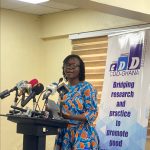
“Development that undermines the rights and dignity of women is not development—it is exploitation,” declared Hon. Janet Ramatoulie Sallah Njie, Vice-Chairperson of the African Commission on Human and Peoples’ Rights, in a powerful address on Thursday at a high-level continental workshop in Accra, Ghana.
Speaking in her capacity as Special Rapporteur on the Rights of Women in Africa, Sallah Njie opened the two-day forum with a scathing critique of the systemic marginalization women face, particularly in extractive industry zones across the continent.
“Millions of women continue to live without access to education, healthcare, employment, and protection,” she said. “We cannot continue to hide behind the principle of ‘progressive realization’ while women are denied their right to live and parent with dignity.”
The workshop, themed “Promoting the Socio-Economic Rights of Women, including in the Extractive Industries”, is convened by the African Commission on Human and Peoples’ Rights in collaboration with IPAS Africa Alliance and GIZ’s AWARE Project.
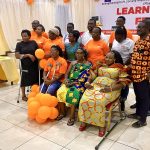
The event brought together AU organs, national governments, international donors, and grassroots organizations to tackle the structural barriers women face in realizing their socio-economic rights.
Sallah-Njie warned that extractive industries—while central to Africa’s economic development—have too often become sites of environmental degradation, displacement, and gender-based violence.
“Large-scale projects disrupt communities and expose women to heightened risks of exploitation, while excluding them from benefit-sharing and decision-making,” she noted.
She further stressed that reproductive justice is a critical component of economic empowerment.
“Reproductive health, family planning, and the right to raise children in safe, healthy environments are inseparable from women’s economic rights,” she said, calling for full ratification and implementation of the Maputo Protocol and the AU Convention on Ending Violence Against Women and Girls, which currently lacks the necessary number of signatures to enter into force.
Sophia Gallina, Head of the GIZ AWARE Project at the African Union, echoed these sentiments, emphasizing that gender equality in extractive industries is not just a women’s issue, but a developmental imperative.
“Unless we act boldly, women will remain excluded from economic growth and the green transition,” she said. “This conference is not just timely—it’s essential.”
Gallina reaffirmed Germany’s commitment to feminist development policy and applauded the African Union’s leadership on the issue.
Mr. Erick Mundia, Programme Officer at IPAS Africa Alliance, speaking on behalf of the regional director, Dr. J.E. Musoba Kitui, focused on the health and environmental impacts of extractive industries.
“These industries leave communities with polluted air, water, and soil—threatening maternal health and child development,” he warned. “Women must not only be protected; they must be recognized as rights holders and agents of change.”
He called for inclusive and community-based frameworks that prioritize reproductive justice, environmental safety, and economic inclusion.
The workshop comes against the backdrop of regional commitments, including Agenda 2063, the African Social Policy Framework, and the Africa Health Strategy (2016–2030), which affirm the need for socio-economic transformation. Yet, participants stressed that many of these instruments remain under-implemented at national level.
Across panel discussions, speakers examined the intersection of sexual and reproductive health rights, environmental governance, and corporate accountability in resource extraction zones. Women working in mining, oil, and gas sectors shared lived experiences of exclusion, abuse, and resilience.
Sallah Njie closed her speech with a rallying call for political will and resource allocation:
“The rights exist on paper, but where are the budgets? Where are the enforcement mechanisms? We must stop treating women’s rights as optional. They are a legal and moral obligation.”

The workshop continues Friday with strategy sessions on strengthening legal instruments, mobilizing investment for women’s rights, and amplifying the voices of women human rights defenders across Africa’s extractive regions.
Source:humanrightsreporters.com
About The Author
